
Preparing for Harvest: Wheel Inspection Checklist
August 19, 2024

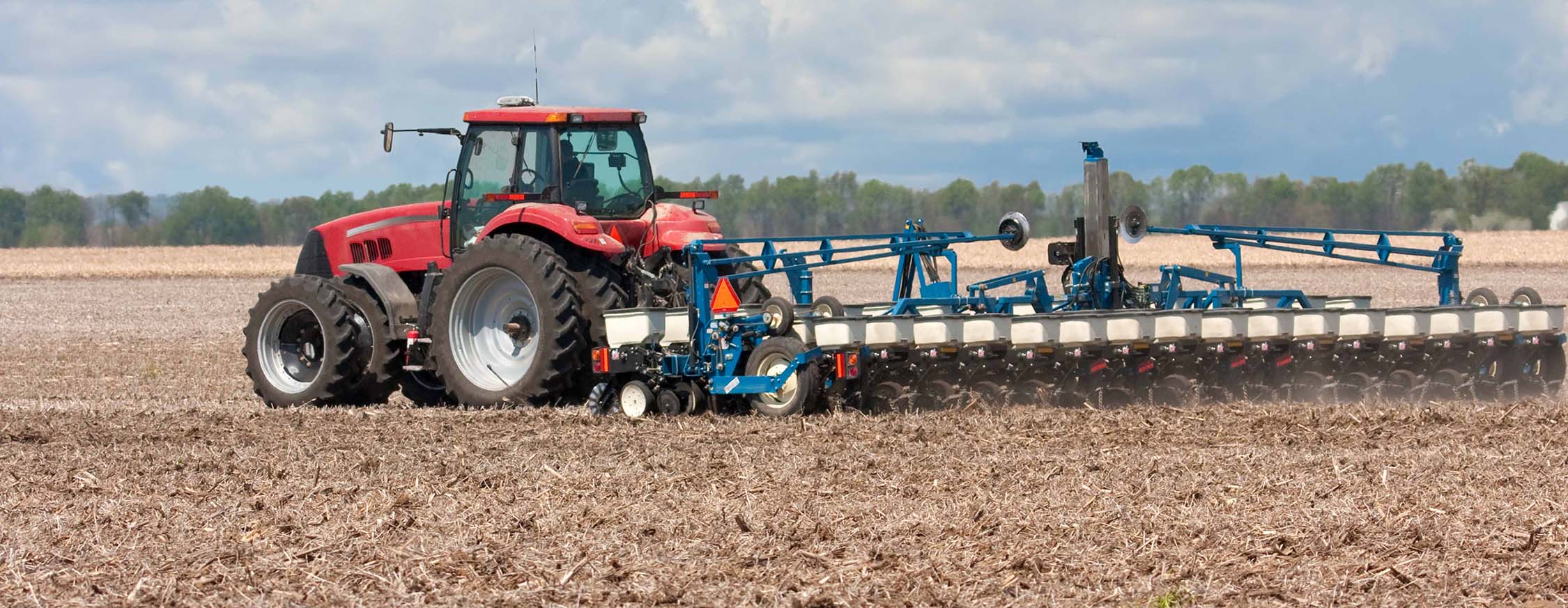
As harvest season approaches, ensuring that farm equipment is in optimal condition is crucial for a smooth and productive season. While it is important to regularly check the condition, pressure and tread of tractor tires, inspecting the wheels is equally vital. Proper maintenance can optimize wheel and rim performance, prevent costly downtime and extend the lifespan of agriculture equipment.
Here is a comprehensive checklist for wheel inspections of tractor/front implement, tractor, combine, application equipment, and grain cart wheels:
- Structural Integrity
Wheels endure significant stress from heavy loads and rough terrain, which can lead to cracks, bends or other structural issues over time. Regular inspections help identify potential problems before they escalate into serious issues. Signs of deformation or damage should be addressed promptly. Any cracks or bends indicate the need for wheel replacement to prevent further damage and ensure safe operation. - Lug Nuts and Bolts
Loose lug nuts and bolts can lead to wobbling, elongation of bolt holes or even wheel detachment. This can cause dangerous situations and equipment failure. The tightness of hardware should be checked after mounting wheels and during routine equipment inspections. Ensuring that all lug nuts and bolts are properly torqued according to the manufacturer’s specifications is essential for secure and stable wheel attachment. - Wheel Bearings
A bent or damaged tractor wheel can cause uneven tire rotation, leading to uneven tire wear and additional strain on wheel bearings. This can result in premature bearing failure and costly repairs. During inspections, the condition of the wheel bearings should be assessed to ensure proper functioning. If any wheels show signs of damage or abnormal wear, replacement should be considered to prevent further issues and maintain smooth operation. - Corrosion
Wheels exposed to elements, chemicals and soil can develop rust or corrosion over time. Corroded wheels can weaken structural integrity and reduce performance. Regular checks for signs of corrosion are important and any issues should be addressed promptly. Cleaning and treating corroded wheels during maintenance can help mitigate downtime and prolong equipment life. - Soil Compaction
Selecting the correct wheel and tire combination is essential for handling different soil conditions effectively. Ensuring that the wheel and tire setup is appropriate for the soil type being worked with is crucial. Incorrect configurations can lead to soil compaction, reduced traction and inefficient operation. Assessing the equipment’s wheel and tire setup before heading into the field will help optimize performance and efficiency.
Ensure Peak Performance
By following this comprehensive tractor wheel inspection checklist, farm equipment can be ensured to be ready for the demands of harvest season. Regular maintenance and timely repairs help avoid unexpected breakdowns, improve efficiency and extend the lifespan of machinery. Preparing in advance contributes to a successful and productive harvest season.
For assistance with wheel inspections or any other wheel maintenance needs, feel free to contact your Wold dealer.
If you’re interested in becoming a Wold Rim & Wheel dealer, register here.